
Eco-friendly wedding planning: The guide to compostable tableware
Discover how sustainable service ware elevates modern celebrations, blending refined aesthetics with a commitment to a circular, low-waste future.
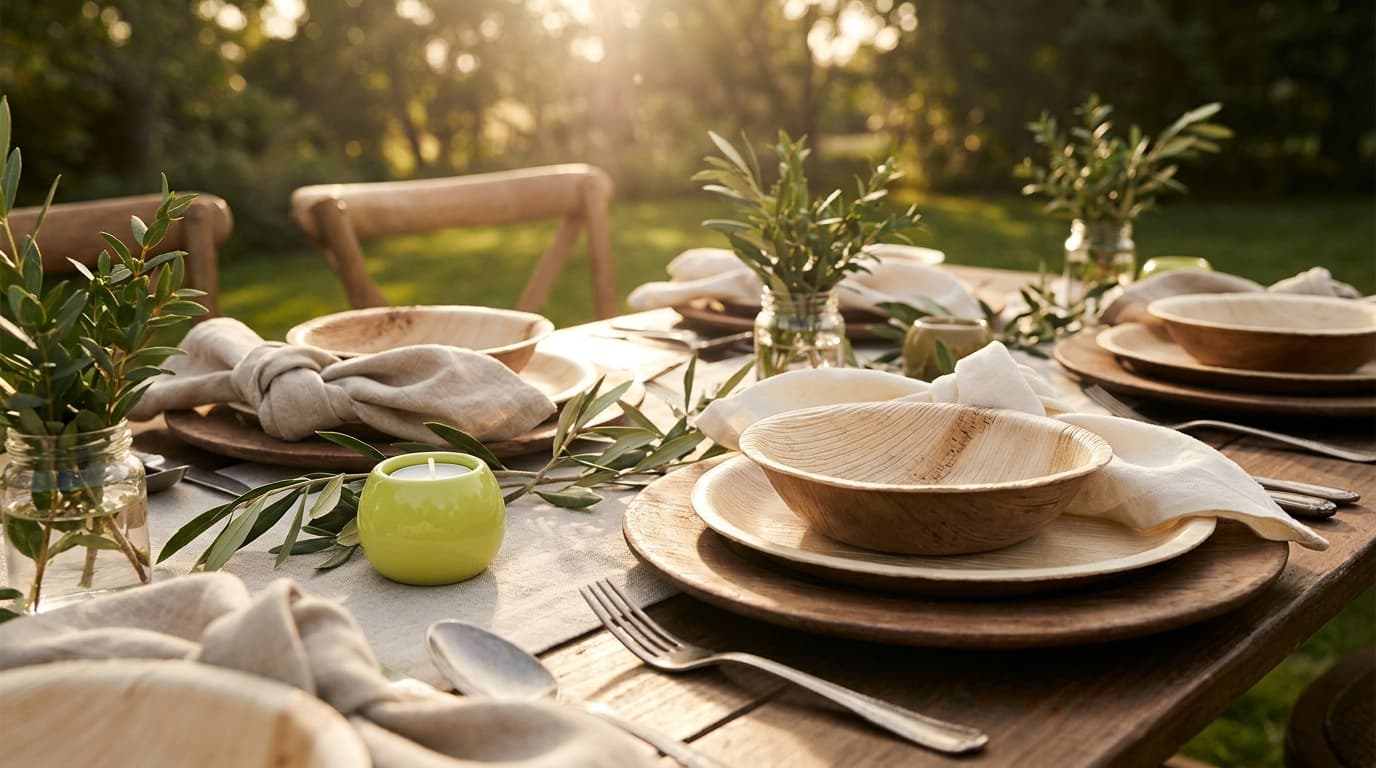
In 2026, eco-friendly wedding planning has transcended niche trends to become a hallmark of sophisticated, intentional celebration. Couples now prioritise environmental responsibility alongside aesthetic excellence, viewing every detail—including service ware—as an expression of their values. By choosing compostable alternatives, hosts and planners ensure their events leave a lasting impression on guests rather than the planet. This shift marks a move toward a circular model, where elegant presentation meets practical waste reduction. No longer restricted to rustic themes, sustainable service ware has evolved to grace the tables of the most formal, high-end weddings, proving that conscious consumption is the ultimate luxury.
The shift to eco-friendly wedding planning
Modern events are defined by a desire for harmony between luxury and ethics. Traditionally, large-scale gatherings relied on heavy rentals or single-use plastics, both of which present logistical and environmental burdens. The carbon footprint associated with the transport, cleaning, and storage of heavy ceramic or glass rental sets has become a focal point of scrutiny for eco-conscious couples. Furthermore, the traditional reliance on single-use plastics, which can take centuries to degrade, is increasingly seen as incongruent with the spirit of a new beginning.
Today, high-end, compostable tableware—crafted from materials like fallen areca palm leaves and sugarcane bagasse—offers a seamless solution. These products provide the structural integrity and natural beauty required for formal settings, allowing planners to curate stunning tablescapes that are entirely soil-friendly after use. These materials possess a distinct, tactile quality that mass-produced plastic simply cannot replicate.
As noted by industry guides on sustainable event design, the integration of plant-based service ware transforms cleanup from a carbon-heavy burden into a simple, circular process. Rather than relying on water-intensive industrial dishwashing facilities that require chemical detergents and massive energy expenditure, compostable service ware can be diverted from landfills and returned to the earth as nutrient-rich compost. This transition is not merely about waste management; it is about embracing a design philosophy that considers the entire lifecycle of an object. For a closer look at these materials, browse our range of sustainable tableware.
Benefits for hosts and planners
For hosts, the transition to sustainable service ware removes the stress associated with traditional catering logistics. The logistical nightmare of coordinating the delivery, collection, and potential breakage of rented ceramics is entirely circumvented. Modern weddings are complex enough without the worry of hefty rental breakage fees or the labour-intensive nature of coordinating return shipments with vendors. Instead, hosts enjoy a guilt-free luxury experience that reflects their commitment to conscious consumption, allowing them to redirect their energy toward the finer details of the guest experience.
Whether hosting in a rustic farmhouse or a refined garden venue, these pieces add an organic, tactile quality to the event aesthetic. The variations in the grain of areca palm, for instance, mean that no two plates are exactly alike, providing a bespoke feel that feels curated rather than manufactured. This lends an air of effortless sophistication to the table setting, complementing floral arrangements and decor elements that draw inspiration from the natural world.
Caterers also benefit from the efficiency of these solutions. The inherent durability of materials like bagasse makes them ideal for diverse culinary styles, from hot plated entrées to casual buffet services. Unlike flimsy disposables that buckle under the weight of a hearty meal, high-density compostable options are engineered to withstand grease, moisture, and heat. By selecting products like bagasse round plates or areca palm trays, professionals can ensure their service remains polished and professional without the need for extensive onsite infrastructure. This approach allows caterers to focus on the dining experience—the quality of the ingredients, the presentation, and the timing of the courses—secure in the knowledge that their service ware aligns with the client’s desire for sustainability.
Furthermore, these materials are lightweight, which reduces the carbon emissions associated with the transportation of the equipment to and from the venue. For destination weddings or remote outdoor locations, this factor is particularly significant, as it minimises the logistics burden on local transport fleets.
Material comparisons at a glance
Choosing the right material depends on the event's specific needs, though both options offer significant environmental advantages over traditional disposables. To make an informed decision, it is helpful to contrast the life cycle and practical performance of these materials against more traditional options often found at events.
| Material | Origin | Best Use | Characteristics | Sustainability Rating |
|---|---|---|---|---|
| Areca Palm | Fallen leaves | Formal settings | Unique grain, sturdy, elegant | Excellent (Natural waste) |
| Bagasse | Sugarcane byproduct | High-volume service | Bright, versatile, heat-resistant | Excellent (Agricultural byproduct) |
| Recyclable Plastic | Petroleum | Casual events | Lightweight, brittle | Poor (Requires energy to recycle) |
| Ceramic (Rental) | Clay/Kiln-fired | Luxury formal | Weighted, classic | Moderate (High carbon transport/wash) |
As shown in the table above, the environmental impact of service ware is dictated by its origin and its "end-of-life" destination. While ceramic rentals are often viewed as the gold standard, their carbon cost—fuelled by the intensive energy required for high-temperature washing and heavy-duty transport—is often underestimated. In contrast, areca palm and bagasse represent a restorative approach, utilising materials that would otherwise be discarded as agricultural waste.
Selecting the right items for your event is a crucial step in maintaining a cohesive visual narrative. Whether you are leaning towards the natural, textured appeal of areca palm plates or the clean lines of bagasse bowls, each choice supports a more sustainable food service industry.
The aesthetic impact of these choices is also worth noting; the "earthy" aesthetic is no longer reserved for casual BBQs. In 2026, the pairing of artisanal, compostable tableware with minimalist, high-end decor has become a signature look for luxury weddings. The soft, neutral tones of these plant-based materials provide a perfect canvas for vivid culinary creations, allowing the colours of the food to stand out. It is a harmonious intersection of form and function that prioritises the earth without sacrificing the visual elegance expected of a milestone event.
By integrating these choices, planners and couples are setting a new standard for the industry. They are showing that luxury does not require waste, and that a sophisticated celebration is measured as much by its positive environmental impact as it is by the joy shared among guests. As we look ahead, this movement toward circularity is not just a passing phase; it is an evolution of the wedding industry, reflecting a broader societal shift toward mindfulness. For more information on how to transition your events, visit our sustainability page.
Frequently asked questions
Why is compostable tableware better for weddings?
Compostable tableware allows for a sophisticated, low-waste event without the logistical burden of dishwashing, rental breakage, or the environmental impact of single-use plastics.
Can disposable plates look elegant?
Yes. Modern plant-based materials like areca palm leaves offer natural, unique textures and organic shapes that provide an elegant, artisanal look suitable for high-end events.
Are these products truly sustainable?
Yes. Our products are made from reclaimed agricultural byproducts or fallen natural matter, ensuring they return to the earth as compost rather than remaining in landfills.
How do I manage waste at an eco-friendly event?
The most effective approach is to pair compostable service ware with clearly marked, dedicated composting stations, ensuring items are correctly diverted from the general waste stream.
Sources
- ambrymestate.com — ambrymestate.com
- vedding.in — vedding.in
- weddingasiaofficial.com — weddingasiaofficial.com
- pickytarian.com — pickytarian.com
- biopolylab.com — biopolylab.com
Set a beautiful table — then compost it.
More from Sustainable Events
Circular Hosting: A 2026 Guide to Sustainable Event Planning
Discover how circular hosting is redefining sustainable event management, moving beyond simple disposables toward a disciplined, waste-conscious operational framework.
Read · 5 min→Thrifty Eco Hosting: Smart Strategies for Sustainable Events
Sustainable hosting is no longer about luxury; it is about efficiency. Discover how intentional choices and compostable tableware create high-value, low-waste events in 2026.
Read · 5 min→Zero-Waste Event Logistics: Aligning Compostable Tableware with Infrastructure
True sustainability in event planning requires more than just choosing the right materials; it demands upstream alignment with your local waste infrastructure to ensure a clean stream.
Read · 5 min→