
Conscious celebration: The art of sustainable event hosting
Discover how conscious celebration is redefining modern gatherings, blending refined aesthetics with circular design to eliminate event-related waste.
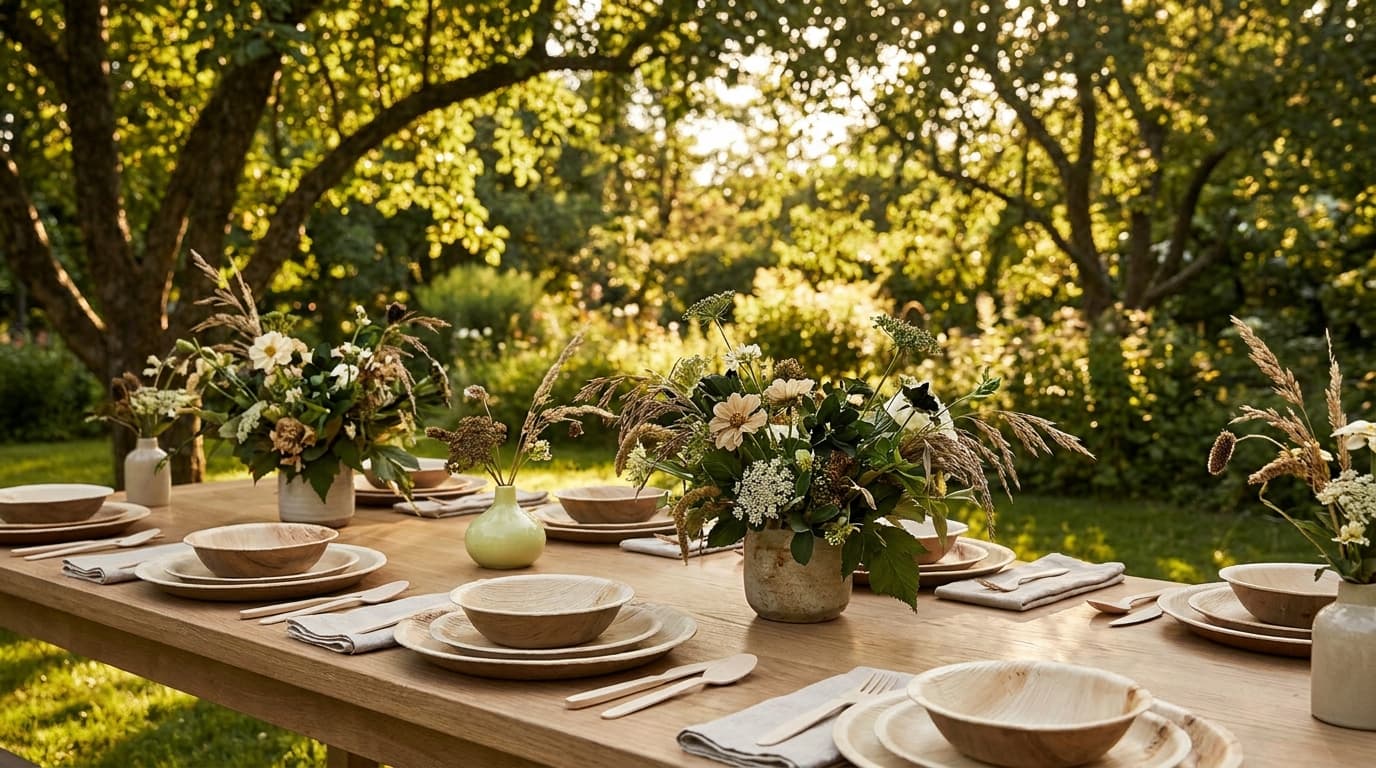
Conscious celebration represents a fundamental shift in how we approach gathering. By moving away from disposable convenience toward intentional, biophilic hosting, modern event planners and hosts are proving that environmental responsibility can enhance the elegance of any occasion. This approach prioritises circular, compostable materials that reflect a deep respect for natural systems, ensuring that our celebrations are as kind to the planet as they are memorable for our guests.
The rise of conscious celebration in event planning
As of 2026, the movement toward conscious celebration has evolved from a niche preference into an industry standard. Hosts are increasingly rejecting the high-waste models of the past, opting instead for a curated experience that aligns with nature. This philosophy emphasises the use of organic, renewable resources that return to the earth, such as our range of areca palm plates and bagasse bowls, ensuring that every element of the table serves a purpose without leaving a lasting footprint.
The modern host recognises that true luxury is no longer defined by excess, but by the mindfulness behind every choice. Whether it is a small, intimate garden party or a large-scale corporate conference, the decision to opt for compostable solutions sends a powerful message. By selecting materials derived from renewable sources, planners can curate an aesthetic that feels grounded, authentic, and sophisticated. The tactile quality of organic materials—the natural grain of a palm leaf plate or the sturdy, fibrous texture of sugarcane—adds an artisanal layer to the dining experience that mass-produced plastic simply cannot replicate.
Integrating zero-waste principles into event infrastructure requires a strategic eye. By choosing locally sourced seasonal menus and digital communication, hosts can create a high-end, cohesive aesthetic that feels both authentic and sophisticated. This transition away from plastic-heavy logistics is not merely an environmental act; it is a design choice that prioritises tactile, natural textures over mass-produced synthetic alternatives. When the materials themselves are derived from the landscape, the event naturally harmonises with its surroundings, creating a cohesive visual narrative that speaks to the host’s values.
Designing a zero-waste event infrastructure
For professional caterers and wedding planners, the demand for transparency and sustainability has never been higher. Clients expect events that are both beautiful and defensible in their environmental impact. This requires moving beyond "less bad" options—like recyclable plastics that often fail to reach recycling centres—and instead adopting truly circular materials like bagasse compartment trays which support a closed-loop system.
When designing the infrastructure for a zero-waste event, the first step is a thorough audit of the "disposables" list. From cocktail hour to dessert, every item used on a table represents an opportunity to close the loop. By sourcing items that are compostable, the post-event cleanup process is transformed from a waste management headache into an opportunity for soil regeneration. Home-compostable items, such as our areca palm range, allow hosts to turn their party remnants into nutrient-rich humus for their own gardens, effectively completing the circle of life for every plate used.
Beyond material selection, conscious celebration involves the creation of a 'biophilic' atmosphere. This means incorporating elements that evoke a connection to the environment, such as foraged floral arrangements, reusable fabric textiles, and naturally derived tableware. When these elements are curated with care, the table becomes a reflection of the host’s values. Our areca palm range offers a unique, artisanal quality for every piece, ensuring that no two items are identical, which adds a layer of depth to the dining experience. Guests notice these details; the absence of generic, soulless plastic elevates the atmosphere, encouraging a more thoughtful, engaged way of eating.
Comparing sustainable event material options
When selecting tableware, understanding the material origin and end-of-life process is essential. Conscious hosts prefer items that are industrially or home compostable, ensuring that post-event cleanup remains a simple, guilt-free process. The tables below outline the primary differences in our sustainable material offerings to assist in your procurement planning.
Sustainable Tableware Comparison
| Material | Primary Source | Best Suited For | End-of-Life |
|---|---|---|---|
| Areca Palm | Fallen palm leaves | Elegant, rustic events | Home compostable |
| Sugarcane Bagasse | Fibrous pulp byproduct | Large catering, hot food | Industrially compostable |
| Birchwood | Sustainably managed forests | Cutlery and stirrers | Home compostable |
Comparison with Common Alternatives
| Material | Environmental Impact | Aesthetic Quality | End-of-Life |
|---|---|---|---|
| Single-Use Plastic | High (Non-renewable) | Poor/Generic | Landfill/Pollution |
| Recyclable Plastic | Medium (Energy intensive) | Low/Standard | Often ends in landfill |
| Compostable Fibre | Low (Renewable) | High/Artisanal | Soil enrichment |
As evidenced by these comparisons, shifting to fibre-based solutions is a critical move. While plastics rely on fossil fuels and often fragment into microplastics, plant-based alternatives contribute to a circular economy. Whether you choose the rustic, distinct beauty of Areca palm or the functional, sturdy reliability of Bagasse, you are moving away from the "disposable" mindset and toward a "renewable" mindset.
The future of responsible hospitality
Small, intentional choices create a significant cultural ripple. Every time a host opts for compostable birchwood cutlery over plastic, they are participating in a wider shift toward responsible hospitality. This transition is about building a new standard where convenience does not necessitate ecological compromise. By aligning with partners who share this commitment to sustainability, event professionals can provide services that resonate with the values of their clients.
The future of the events industry will not be defined by the size of the production, but by the level of care invested in its footprint. We are seeing a move toward transparency where guests expect to know the provenance of the food on their plate and the lifecycle of the plate itself. This evolution in consumer consciousness is driving manufacturers and planners to innovate, resulting in a more beautiful and meaningful hospitality landscape. The ability to source products that are not just "sustainable," but inherently connected to the earth, is the mark of a forward-thinking planner.
For those interested in exploring these shifts in detail, our about our story page offers further insight into our manufacturing processes. Sustainable hosting is an ongoing practice of refinement, and as we look forward, the ability to balance style with substance will define the leaders of the hospitality industry. Choosing materials that respect the planet is the most significant step toward creating memorable, impactful gatherings. By embracing these practices, we ensure that our celebrations remain sources of joy rather than sources of waste, proving that the most elegant events are those that leave the earth exactly as it was found—or perhaps, even a little better.
Frequently asked questions
What is conscious celebration?
Conscious celebration is an event-hosting philosophy that prioritises environmental stewardship, circular design, and low-impact logistics. It moves away from single-use plastic waste to embrace natural, compostable materials and intentional, biophilic decor.
Why use compostable tableware for events?
Compostable tableware, such as areca palm or bagasse, provides a premium, natural aesthetic that is fully biodegradable. Unlike plastic, these items can return to the earth, supporting a circular economy and eliminating post-party waste guilt.
How can caterers implement zero-waste strategies?
Caterers can adopt zero-waste strategies by sourcing seasonal, local ingredients, using digital-first logistics, and selecting compostable disposables. Partnering with suppliers who provide clear documentation on material sustainability is essential for transparency.
Are sugarcane bagasse and areca palm both compostable?
Yes. Both materials are plant-based and compostable. Areca palm leaf products are typically home compostable due to their minimal processing, while sugarcane bagasse is highly effective for catering and is ideally processed through industrial composting facilities.
Sources
- knotshots.io — knotshots.io
- elledecor.com — elledecor.com
- kavipoetryart.in — kavipoetryart.in
- ecoware.in — ecoware.in
- trans4mind.com — trans4mind.com
Set a beautiful table — then compost it.
More from Sustainable Events
Circular Hosting: A 2026 Guide to Sustainable Event Planning
Discover how circular hosting is redefining sustainable event management, moving beyond simple disposables toward a disciplined, waste-conscious operational framework.
Read · 5 min→Thrifty Eco Hosting: Smart Strategies for Sustainable Events
Sustainable hosting is no longer about luxury; it is about efficiency. Discover how intentional choices and compostable tableware create high-value, low-waste events in 2026.
Read · 5 min→Zero-Waste Event Logistics: Aligning Compostable Tableware with Infrastructure
True sustainability in event planning requires more than just choosing the right materials; it demands upstream alignment with your local waste infrastructure to ensure a clean stream.
Read · 5 min→